
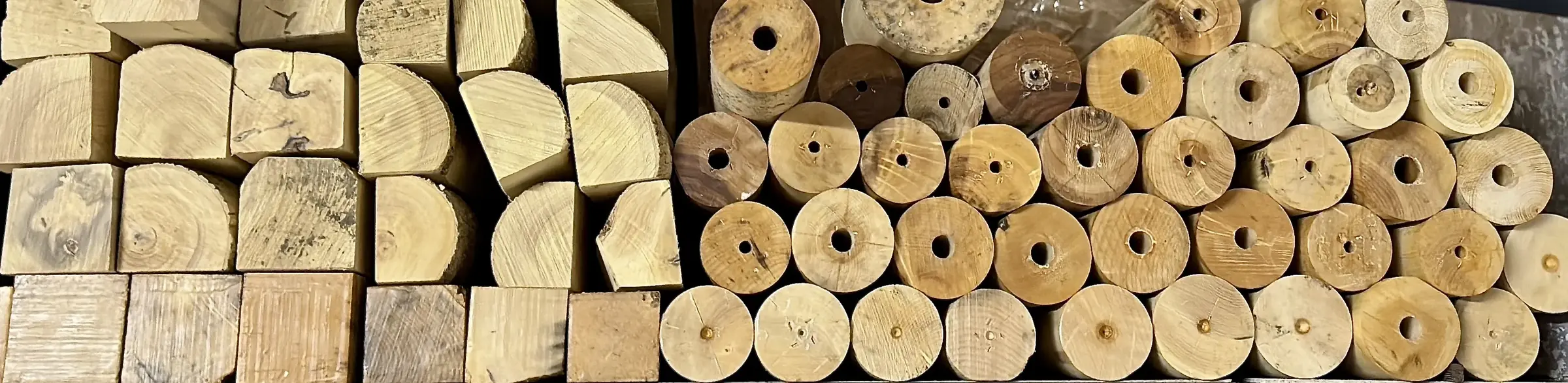
Historical Instrument Making
From the forest to the concert stage
Reconstructions of baroque oboes, built after surviving originals, and careful restoration of period instruments.
Our instruments
Built after the masters
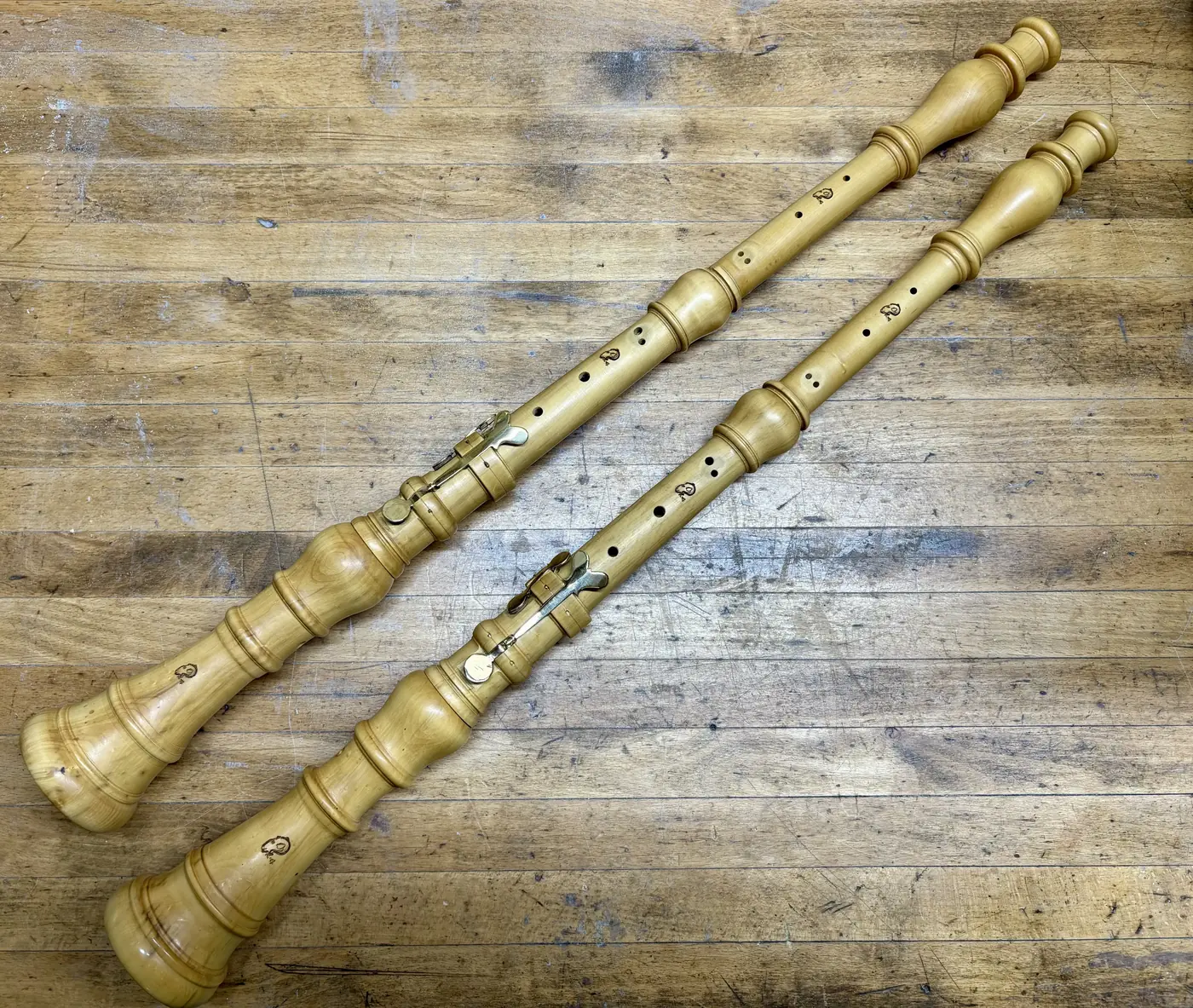
At Zefiros we build Stanesby baroque oboes and Eichentopf baroque oboes d’amore, faithful reconstructions modelled on the historical originals of two great makers, one from London and one from Leipzig.
How your instrument is born
The wood · Spanish forests
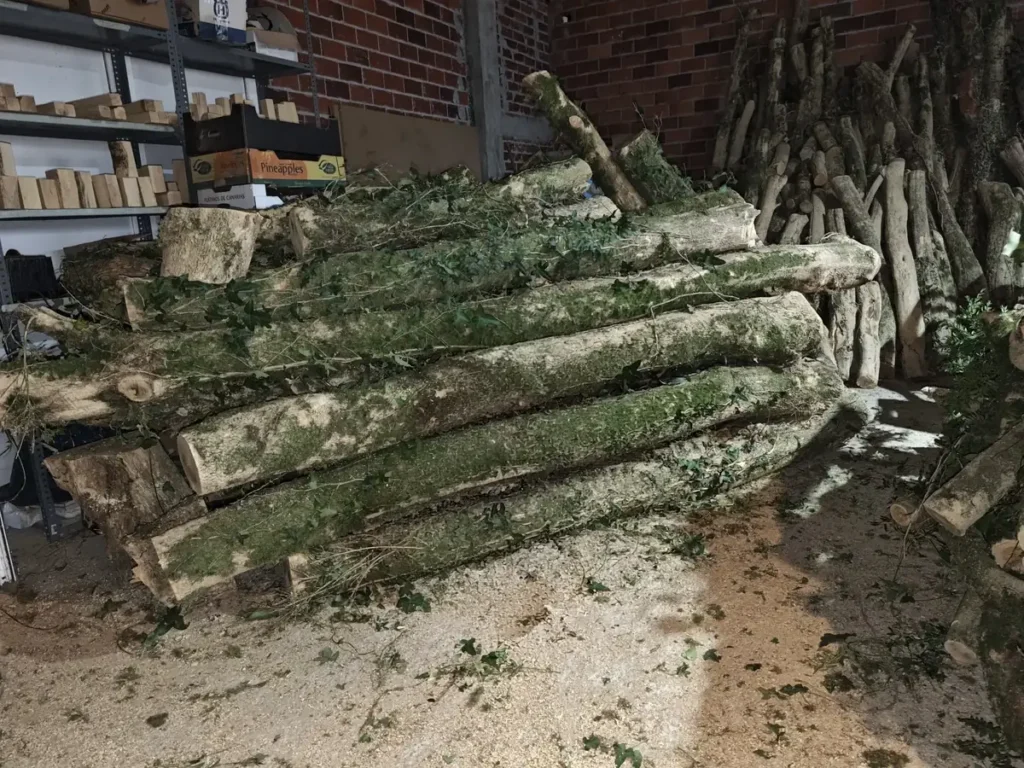
Every instrument begins in the forest
The history of every Zefiros instrument begins in the forests of Spain, where the wood is born, grows slowly and is chosen with care. From there it travels to our workshop, where it is dried, turned and shaped by hand into an instrument.
But the story does not end at the workbench. It continues on the concert stage, where each instrument finds its player and its voice, and keeps writing its own history, concert after concert.
Step 1 · The bell
From a rough block to the bell
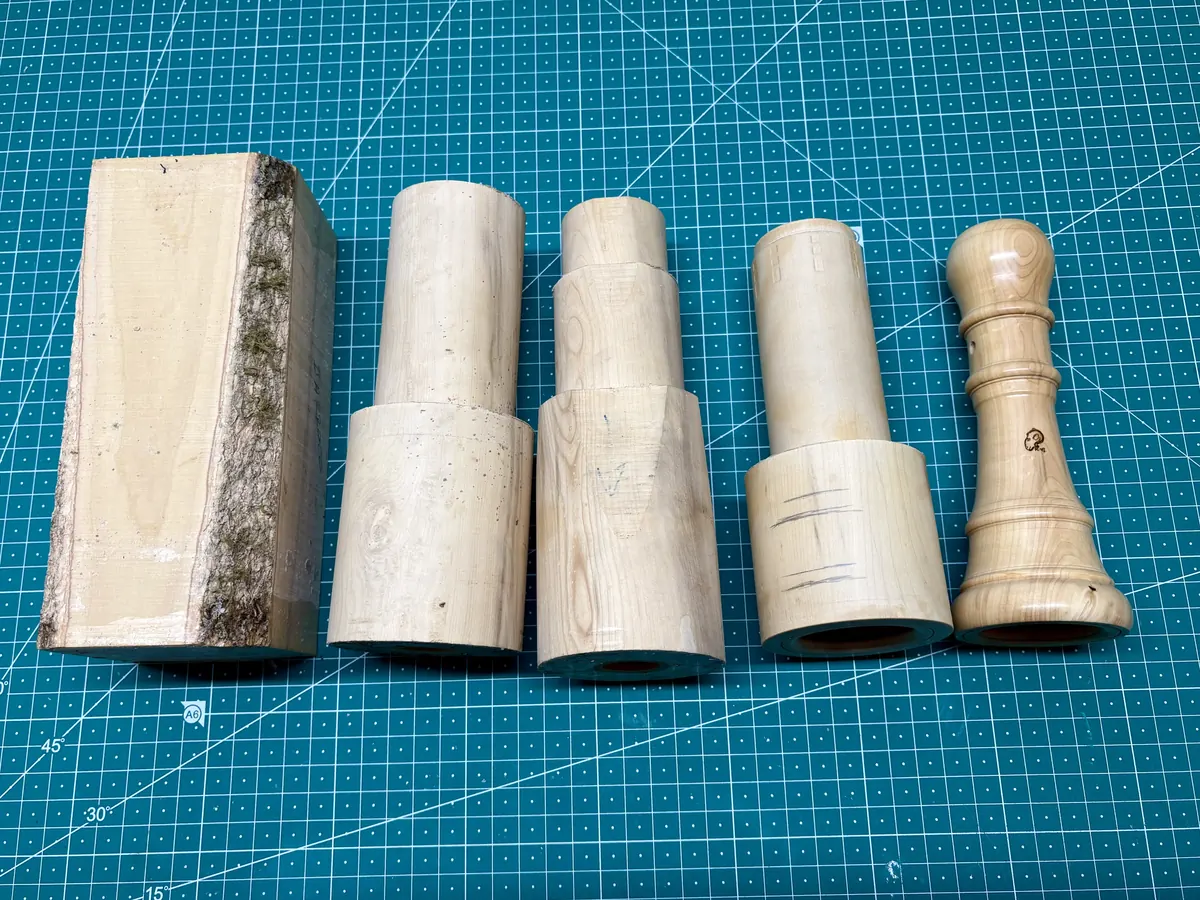
Every bell starts as a solid block of wood, with the bark still on one edge. Step by step it is cut, rough-turned and stepped down, and the bore is opened, until the flared shape of the finished bell appears.
Step 2 · The lower body
The lower body takes shape
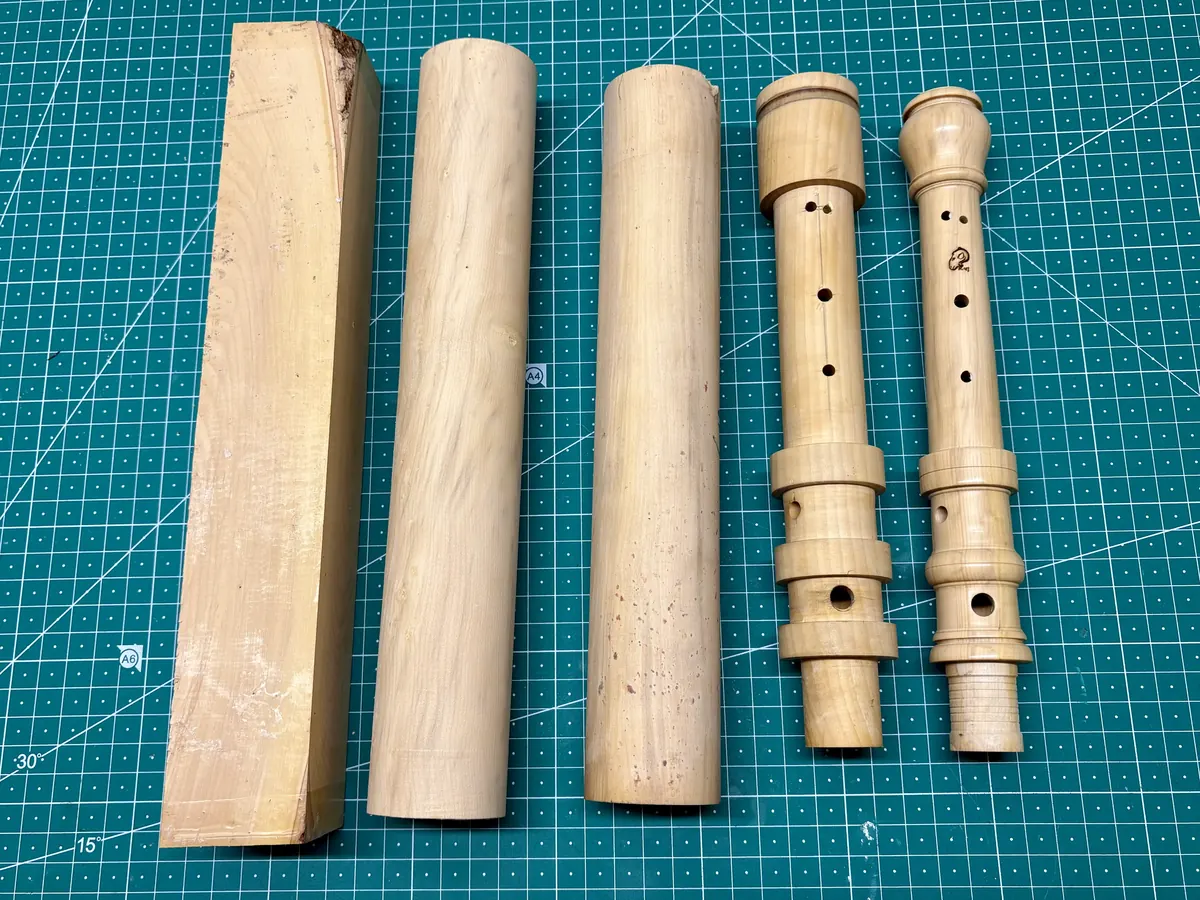
The lower body begins as a long squared block, which is first rounded into a cylinder. Once the bore is drilled, the rings are turned and the tone holes are cut, and the finished part receives our maker’s mark.
Step 3 · The upper body
The upper body finds its voice
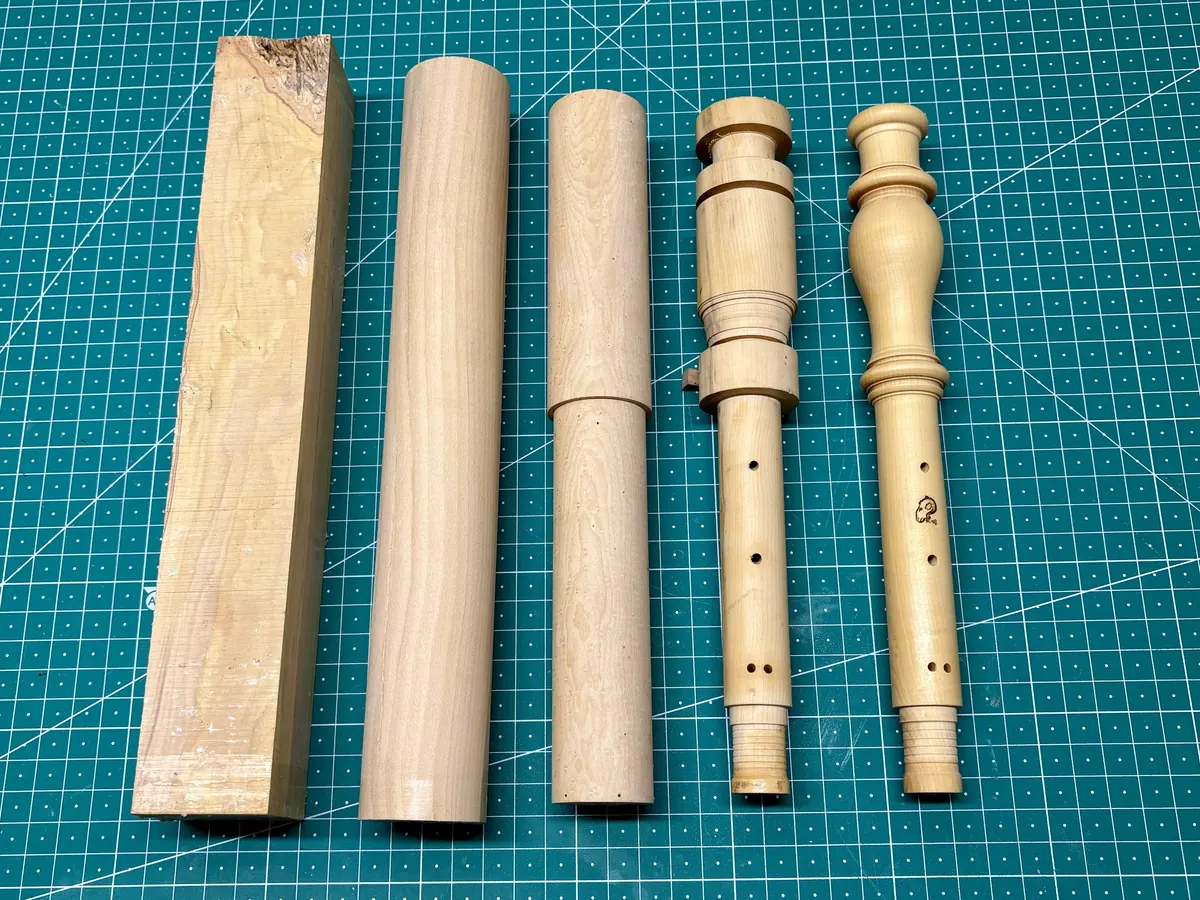
The upper body follows the same path, from a raw block to a turned and bored part, and then to the carefully shaped rings and tone holes that define the voice of the oboe. Every instrument is made to order, in close dialogue with the player.
Today · Our workshop
Stanesby baroque oboes, ready to play
Two finished Stanesby baroque oboes in boxwood: turned rings, silver keys and our maker’s mark on every part. Each instrument is made in our workshop by hand, from the raw block of wood to the last tone hole.